
Create Your Own Omamori at Orinami Asakusa: A Meaningful Cultural Experience in the Heart of Historic Tokyo!
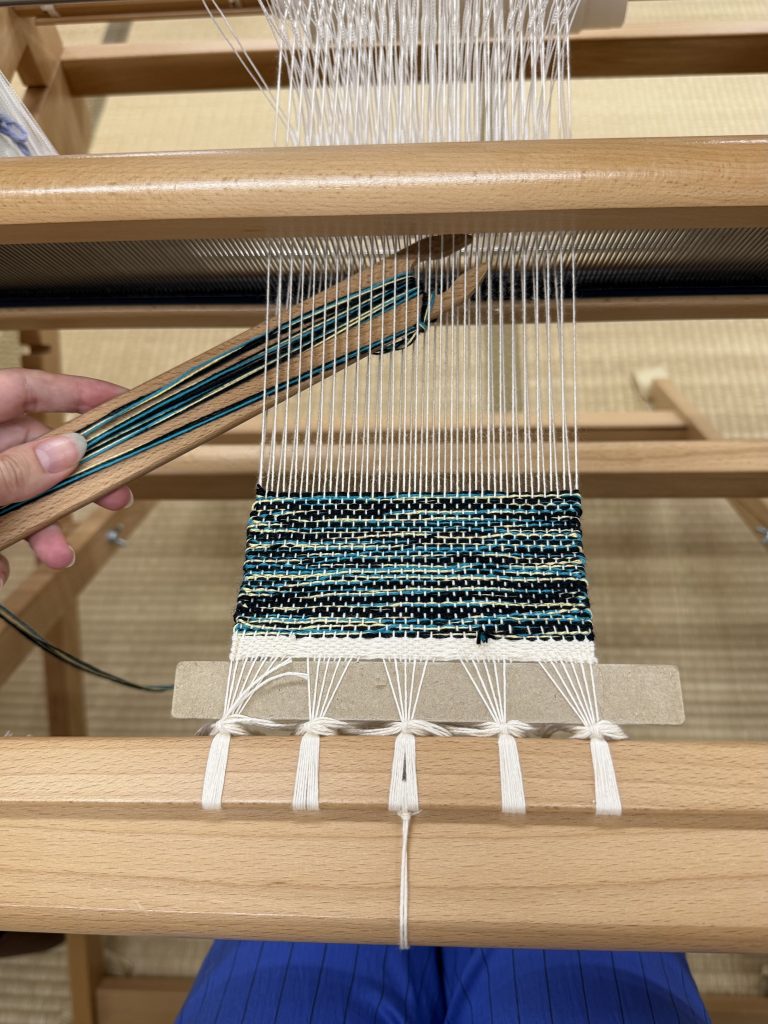
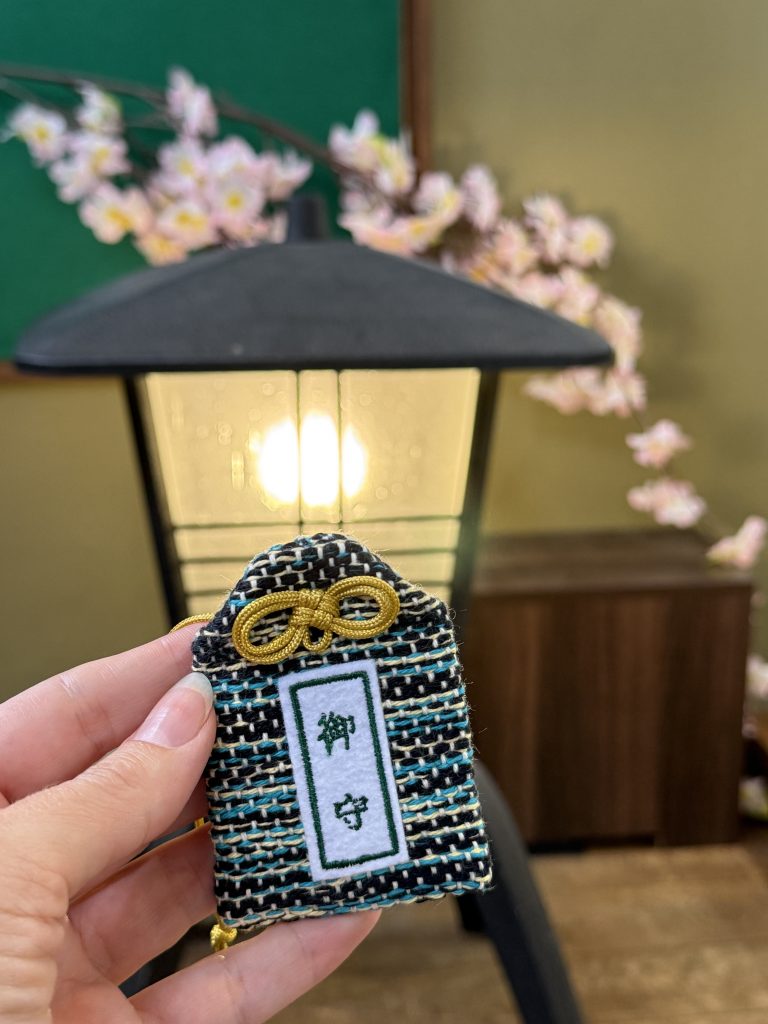
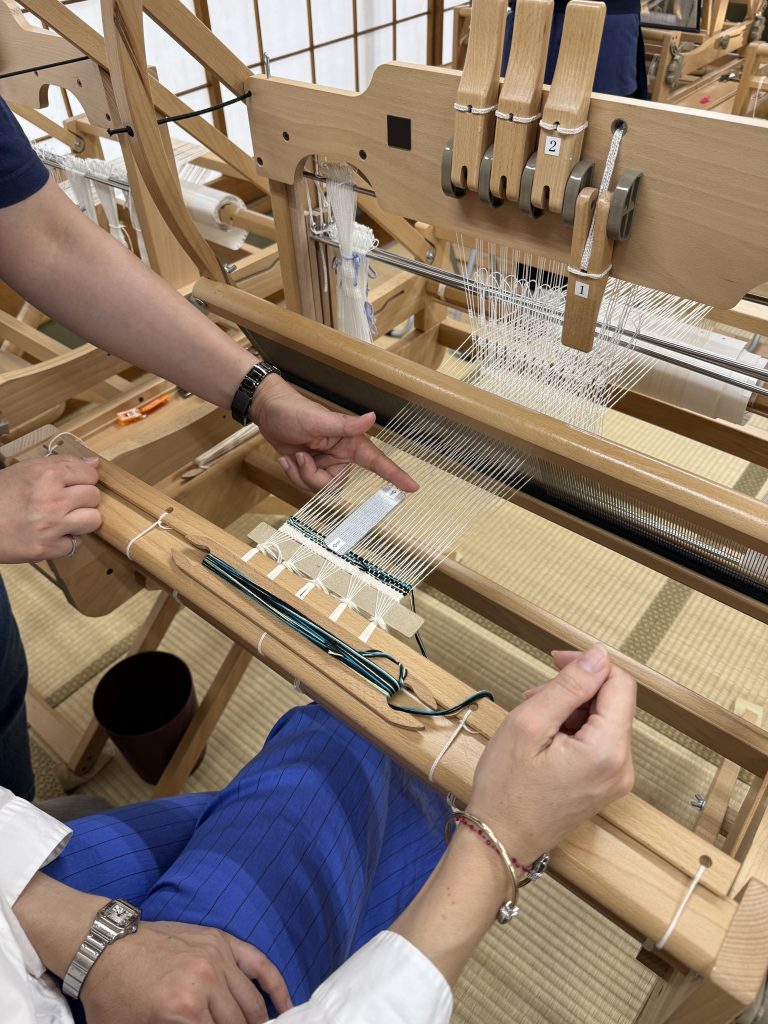
Among Japan’s countless cultural experiences, few are as personal and meaningful as creating your own omamori—a traditional Japanese lucky charm believed to bring protection, good fortune, health, success, or safe travels. While visitors throughout Japan often purchase beautifully crafted omamori at temples and shrines, very few places offer the opportunity to make one yourself. At Orinami Asakusa Store, located in Tokyo’s historic Asakusa district, visitors can do exactly that.
This unique workshop allows guests not only to learn about one of Japan’s oldest spiritual traditions, but also to create a personalized keepsake that carries special meaning long after the journey has ended. Rather than simply buying a souvenir, visitors leave with something they have crafted with their own hands—an experience that beautifully reflects the Japanese appreciation for mindfulness, craftsmanship, and intention.
The omamori-making experience has quickly become one of Orinami Asakusa’s signature activities, attracting travelers who wish to discover a deeper side of Japanese culture beyond sightseeing. Guided by friendly instructors, participants learn about the history and symbolism of omamori before designing and assembling their own protective charm.
The History and Meaning of Omamori
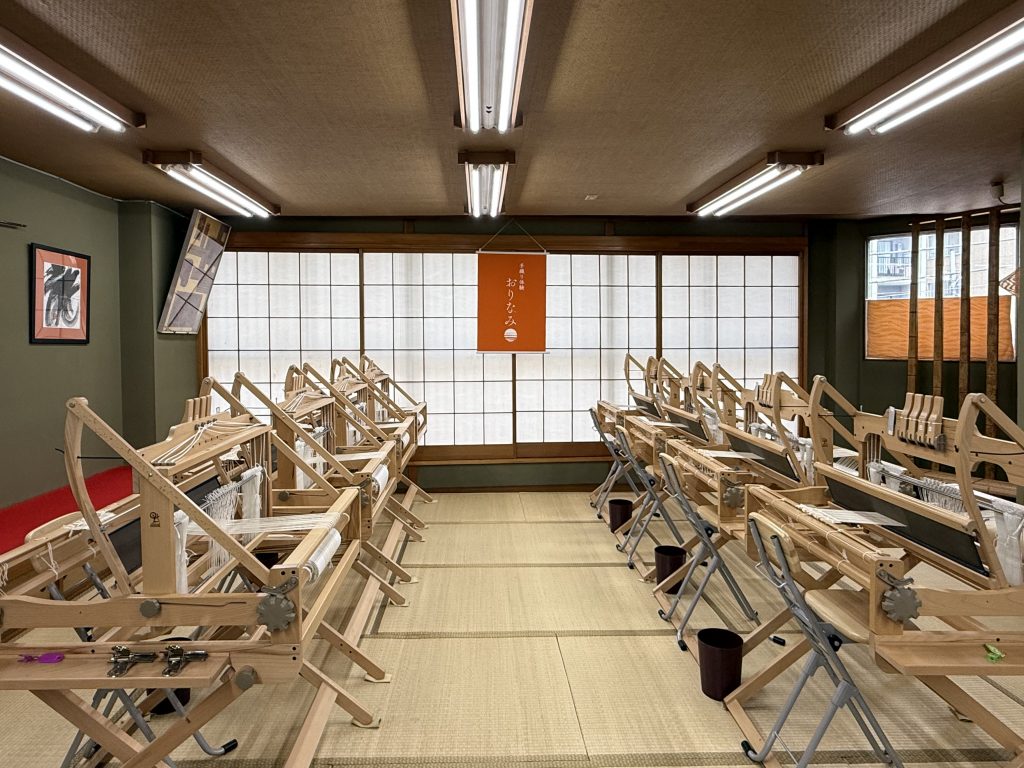
The tradition of omamori dates back more than one thousand years and is deeply connected to both Japan’s Shinto and Buddhist beliefs. The word omamori literally means “protection” or “to protect.”
Originally, people believed that divine spirits (kami) could provide protection to individuals through sacred objects blessed by priests. Over time, these blessings evolved into beautifully embroidered fabric pouches containing small prayers or sacred inscriptions. These pouches are never opened, as the blessing is believed to remain safely sealed inside.
Today, omamori are available at nearly every major shrine and temple throughout Japan. Different charms serve different purposes: some are intended to protect travelers during their journeys, others bring success in examinations, good health, prosperity in business, happiness in marriage, easy childbirth, traffic safety, or general good fortune.
Many Japanese people carry an omamori every day in their handbag, backpack, wallet, or even inside their car. At the end of each year, it is customary to return old omamori to the shrine where they were obtained so they can be respectfully burned in a purification ceremony before receiving a new one.
Learning about these traditions allows visitors to understand that an omamori is far more than a decorative souvenir—it represents hope, gratitude, and the enduring connection between everyday life and spirituality in Japan.
Crafting Your Own Lucky Charm
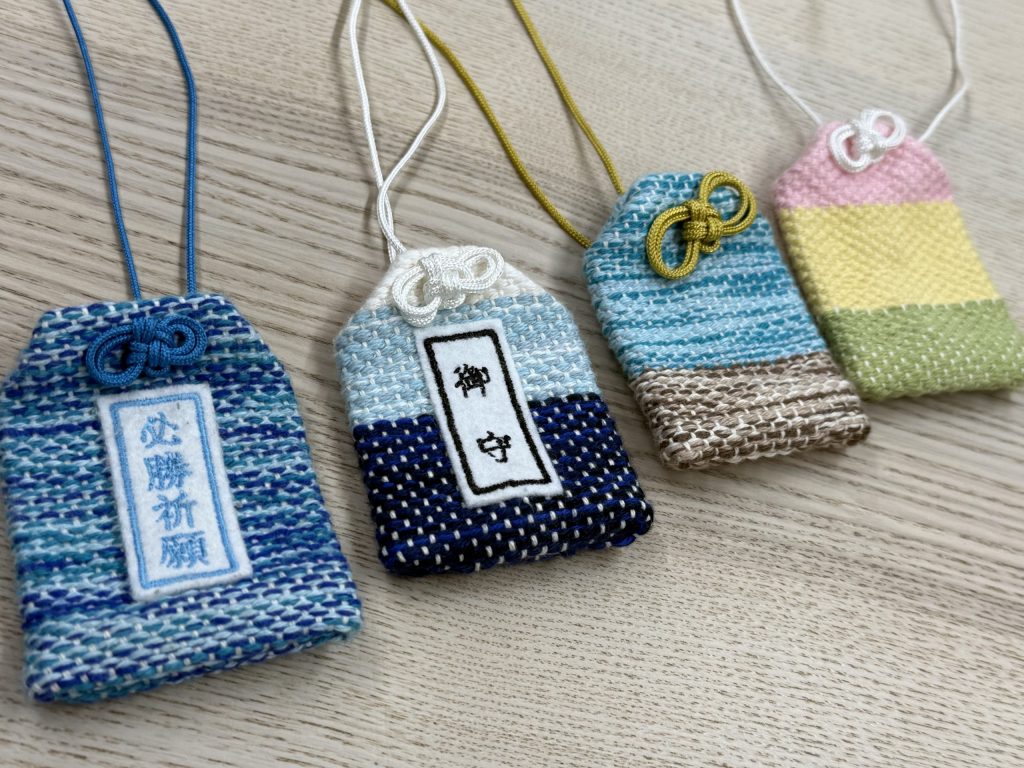
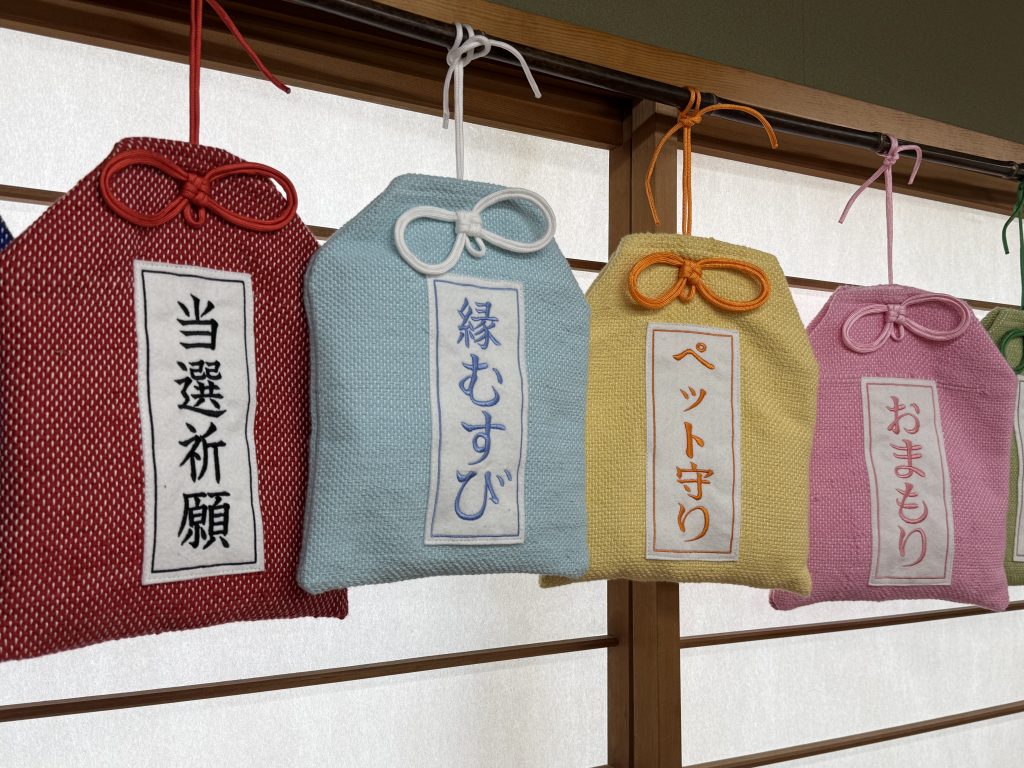
At Orinami Asakusa, guests begin by discovering the fascinating history behind omamori and the cultural values they represent. They are then guided through the creative process of making their own charm.
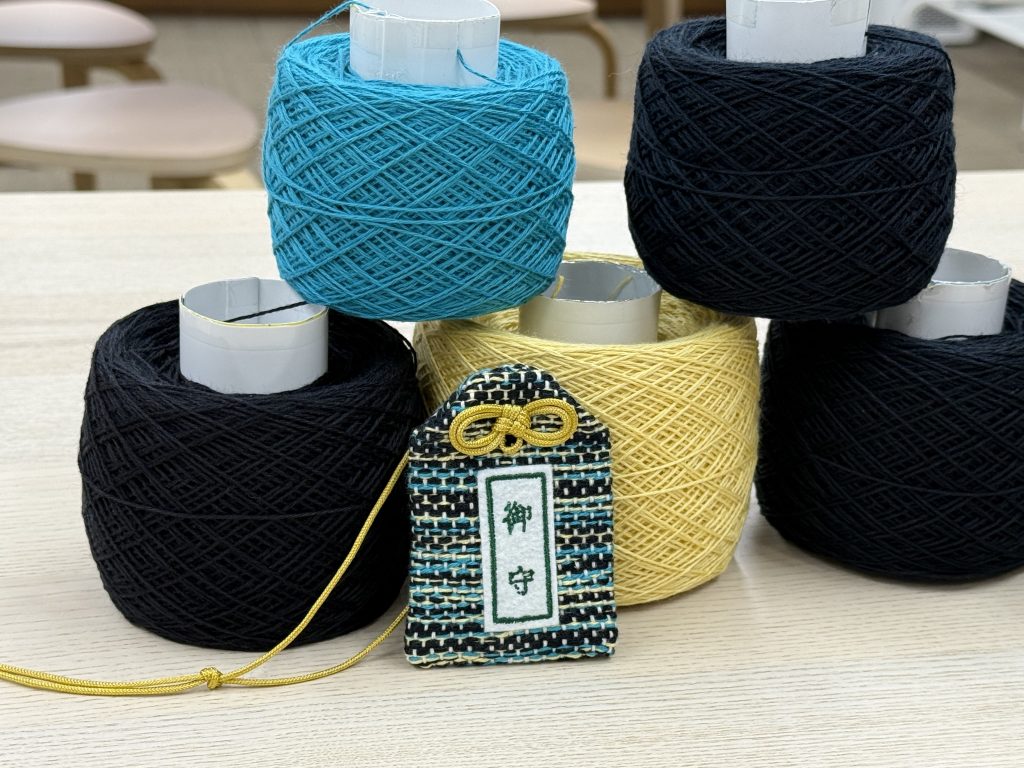
Participants can select from a variety of beautiful cotton threads, decorative cords, traditional Japanese patterns, and colors, each carrying its own symbolic meaning. Some choose elegant color designs inspired by cherry blossoms, while others prefer classic patterns associated with prosperity and longevity.
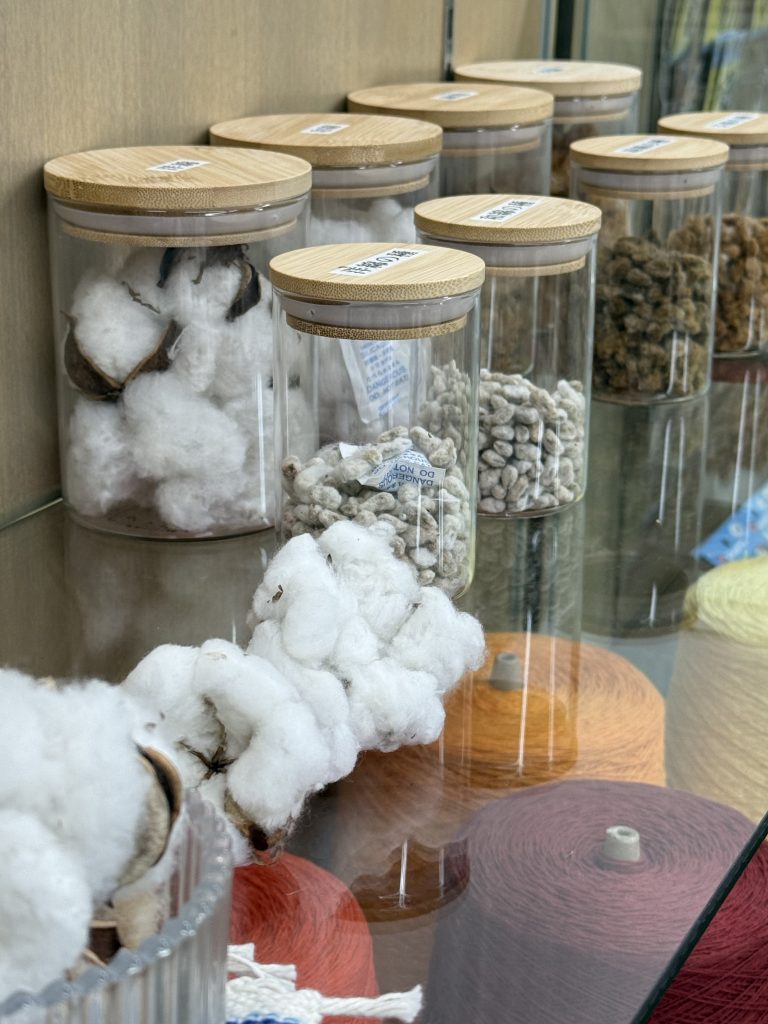
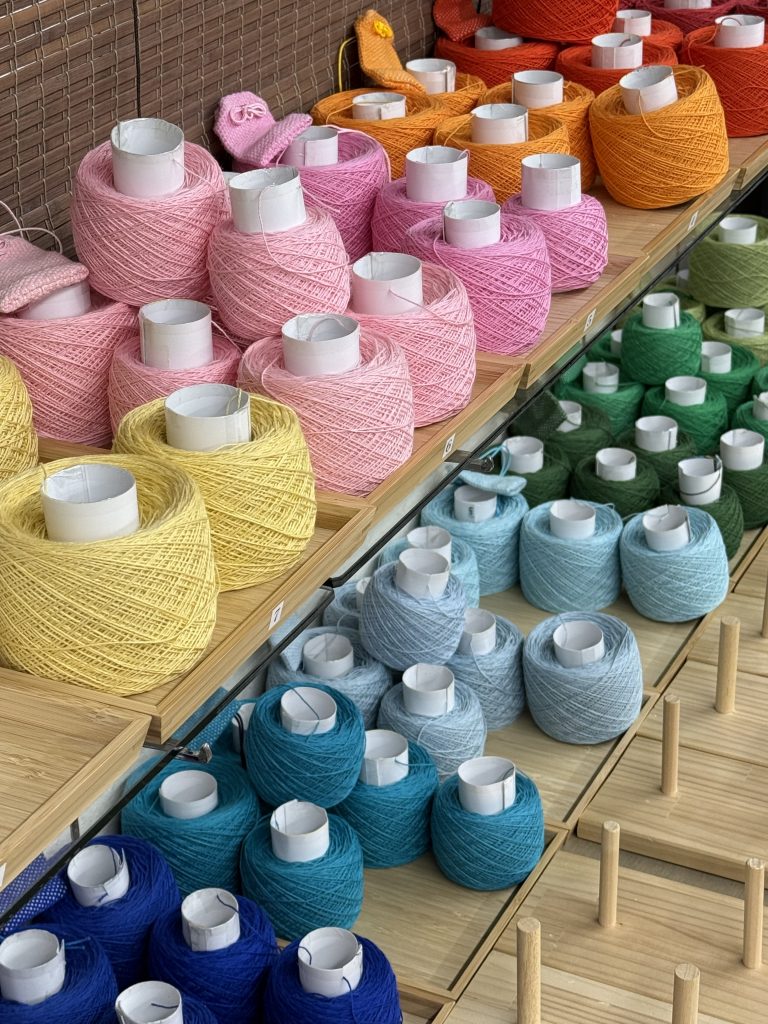
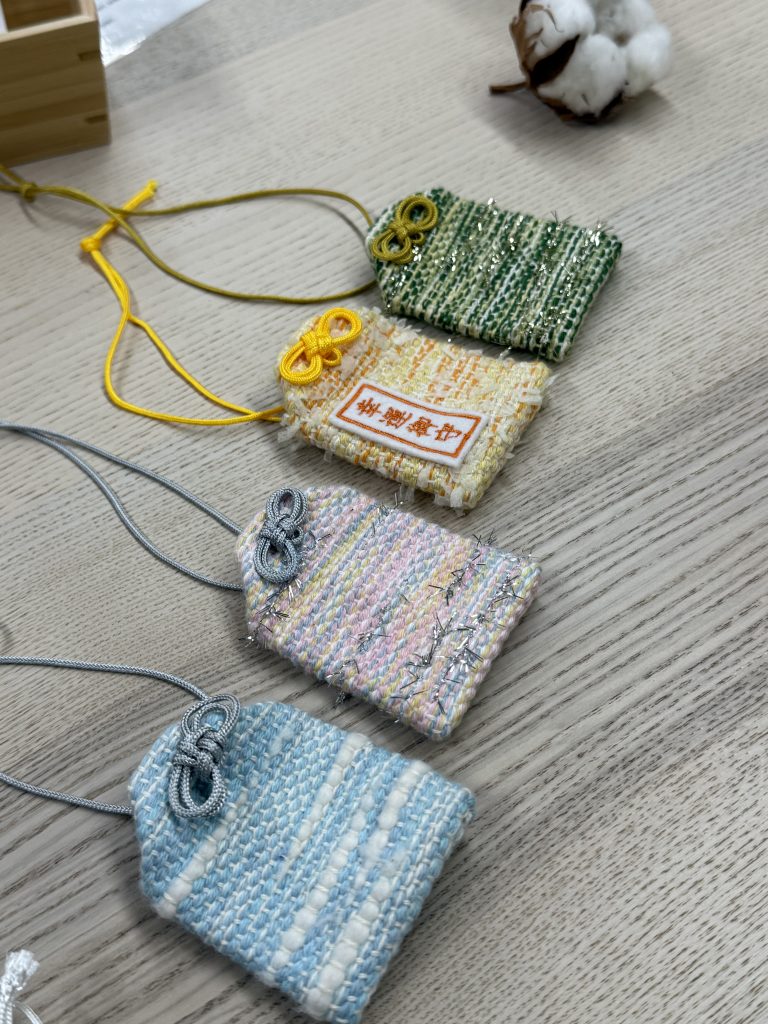
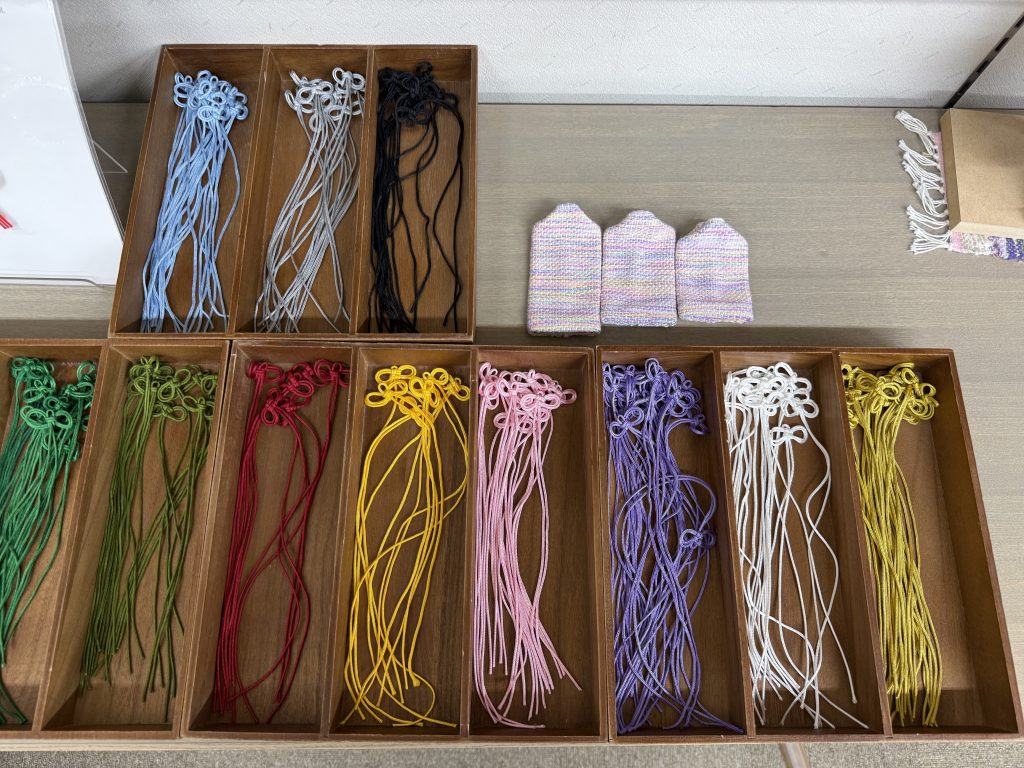
As the workshop progresses, visitors carefully assemble their omamori while reflecting on the wish or intention they hope it will represent. Whether it symbolizes safe travels, success in future endeavors, happiness for loved ones, or simply a memorable journey through Japan, every finished charm becomes completely unique.
The workshop beautifully combines Japanese craftsmanship with personal creativity, making it especially popular among couples, families, and visitors seeking an authentic cultural experience.
Unlike many souvenirs that eventually find their way onto a shelf, a handmade omamori often becomes something travelers continue carrying for years after returning home, serving as a lasting reminder of their time in Japan.
Check out Experience Review on:
More Cultural Experiences at Orinami
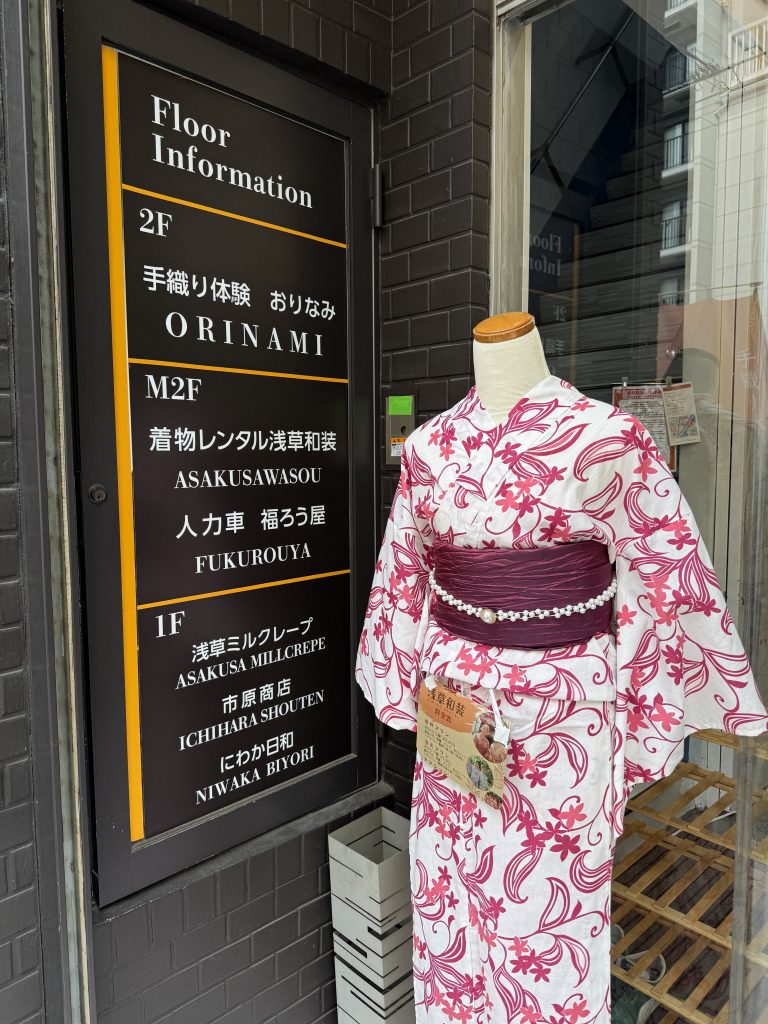
While omamori making is one of the store’s most distinctive experiences, Orinami also offers several other opportunities to immerse yourself in traditional Japanese culture.
Visitors may participate in a traditional tea ceremony, where they learn the philosophy of Sadō—The Way of Tea—and discover how harmony, respect, purity, and tranquility are expressed through every movement. Guided by experienced tea practitioners, guests gain insight into one of Japan’s most refined cultural arts while enjoying freshly prepared matcha.
The kimono dressing experience is another favorite. Guests can choose from an elegant collection of seasonal kimonos and yukatas before exploring the historic streets of Asakusa dressed in traditional Japanese attire. Walking through the neighborhood in a kimono creates an unforgettable atmosphere, allowing visitors to feel transported back to the Edo Period.
Depending on the season, Orinami also offers workshops in Japanese calligraphy, traditional paper crafts, and other cultural arts, making it an ideal destination for families, couples, and anyone interested in hands-on learning.
Some experiences also introduce visitors to the philosophy of the samurai and the ethical principles of Bushidō, offering a deeper understanding of the values that continue to influence Japanese society today.
Why Orinami Is Different
What makes Orinami particularly special is its emphasis on participation rather than observation. Instead of simply watching demonstrations, visitors actively create, learn, and interact with Japanese culture.
Every experience is designed to be welcoming for international guests while remaining respectful to authentic traditions. English-speaking instructors explain not only how each activity is performed but also why these customs have remained important for generations.
This approach transforms a simple workshop into a meaningful cultural encounter that appeals to visitors of every age.
Book the workshop on Get Your Guide here
Read more: Create Your Own Omamori (Lucky Charm)Discover Historic Asakusa
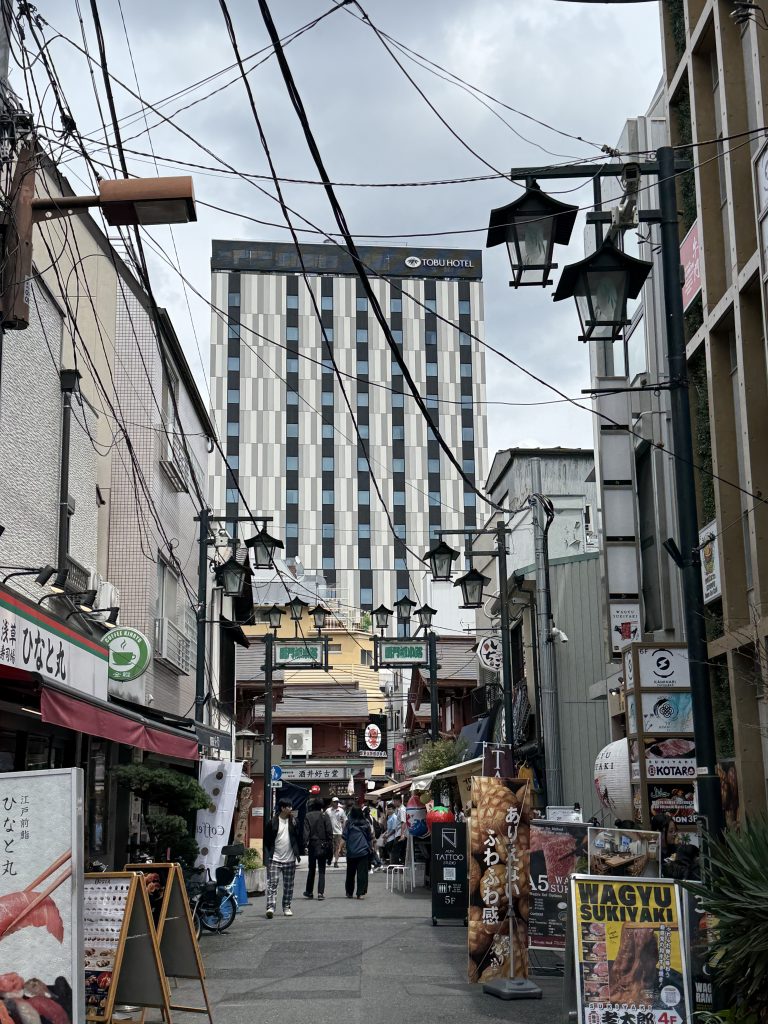
After completing an omamori workshop, guests are perfectly positioned to explore one of Tokyo’s oldest neighborhoods.
Only a few minutes from Orinami stands Senso-ji Temple, Tokyo’s oldest Buddhist temple, founded in the seventh century. Visitors enter through the famous Kaminarimon Gate before strolling along Nakamise Shopping Street, where traditional sweets, handcrafted fans, ceramics, and Japanese souvenirs have been sold for more than three centuries.
Nearby, the peaceful Sumida River offers scenic walks and boat cruises, while the towering Tokyo Skytree provides breathtaking panoramic views across the city. The surrounding streets are filled with traditional cafés, family-run restaurants serving Edo-style tempura and soba noodles, artisan workshops, and small specialty shops that preserve the atmosphere of old Tokyo.
Many visitors find that beginning their day with an omamori-making experience at Orinami adds a deeper layer of meaning to their exploration of Asakusa. After learning about Japanese beliefs, craftsmanship, and spirituality, every temple visit and every historic street becomes more than a sightseeing attraction—it becomes part of a much richer cultural story.
Whether you are searching for a memorable family activity, an authentic cultural workshop, or a unique souvenir with personal significance, Orinami Asakusa Store offers one of Tokyo’s most rewarding experiences. Creating your own omamori is more than a craft activity—it is an invitation to participate in a living tradition that has protected, inspired, and connected people in Japan for centuries.