
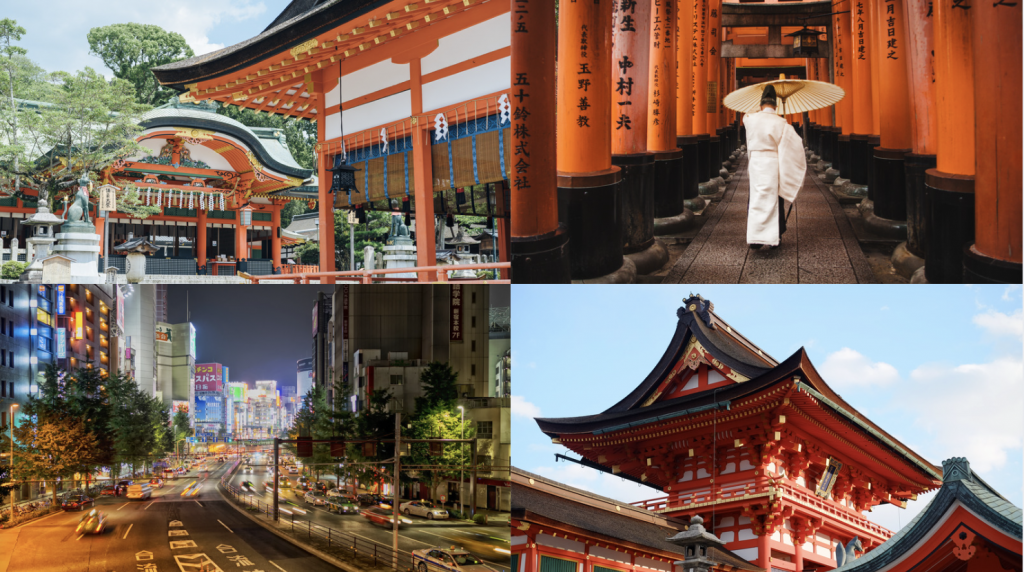
When visiting Japan, it’s essential to be aware of and respectful of local customs, cultural beliefs, and behaviors. Here’s an extensive list of examples to help you prepare for your visit:
1. Bowing:
Bowing is a common greeting and sign of respect in Japan. The depth and duration of the bow can vary depending on the situation and the level of respect.
2. Removing Shoes:
It’s customary to remove your shoes before entering someone’s home, traditional tatami rooms, or some restaurants. Slippers are often provided for indoor use.
3. Slurping Noodles:
In Japan, it’s acceptable to slurp your noodles, particularly when eating ramen or soba. It’s seen as a sign of enjoyment. Tea, coffee, or other drinks, however, shouldn’t be slurped- its considered as rude manners.
4. Gift Giving:
Giving and receiving gifts is a common practice. Gifts are typically wrapped neatly. When presenting a gift, use both hands and expect the recipient to do the same.
5. Respect for Elders:
Elders are highly respected in Japanese culture. It’s customary to use honorific language when speaking to them.
6. Silence on Public Transportation:
Talking loudly on public transportation, especially trains and buses, is considered impolite. Use headphones for music and keep conversations quiet.
7. Chopstick Etiquette:
Don’t point with chopsticks or stick them upright in a bowl of rice (this resembles a funeral ritual). When not in use, place them on a chopstick rest.
8. Queueing:
Form orderly queues when waiting in line, whether it’s for public transportation or at a store. Cutting in line is considered rude.
9. Paying in Cash:
Japan is still a cash-based society in many places. Carry sufficient cash, as credit cards may not be accepted everywhere.
10. Tattoo Awareness:
Tattoos are often associated with the yakuza (Japanese mafia) and may be frowned upon in certain establishments, such as public baths (onsen) & Public swimming pools. Cover tattoos when required.
11. Politeness in Speech:
Use polite language and honorifics, especially when interacting with strangers, elders, or in formal situations.
12. Silence in Public Places:
Talking loudly in public spaces, such as libraries or gardens, is discouraged. Maintain a quiet and peaceful atmosphere.
13. No Public Displays of Affection:
Public displays of affection, like hugging and kissing, are not common in Japan. Keep physical affection private.
14. Respect for Nature:
Japan has a deep respect for nature. Don’t litter, and be mindful of the environment when hiking or visiting natural sites.
15. Tipping Is Uncommon:
Tipping is not a common practice in Japan. However, you may tip at hotels, your private driver or private guide or translator (put the tip in an envelope and give it at the end of the day/ service)
16. Photography Etiquette:
Always ask for permission before taking photos of people, especially in rural areas or at religious sites.
17. Money Handling:
When paying or receiving money, do it with both hands as a sign of respect.
18. Greetings:
“Konnichiwa” (Hello) and “Sayonara” (Goodbye) are common greetings. “Arigatou gozaimasu” (Thank you) is used frequently.
19. Patience and Respect:
Japanese people value patience and respect for others. Queue patiently, wait your turn, and avoid causing inconvenience to others.
20. Vending Machines Galore:
Japan has a vending machine for nearly everything, from hot drinks and snacks to electronics, flowers, and even fresh eggs.
21. Cherry Blossom Obsession:
Cherry blossoms, or sakura, hold a special place in Japanese culture. The cherry blossom season is celebrated with hanami (flower viewing) parties.
22. Efficient Rail System:
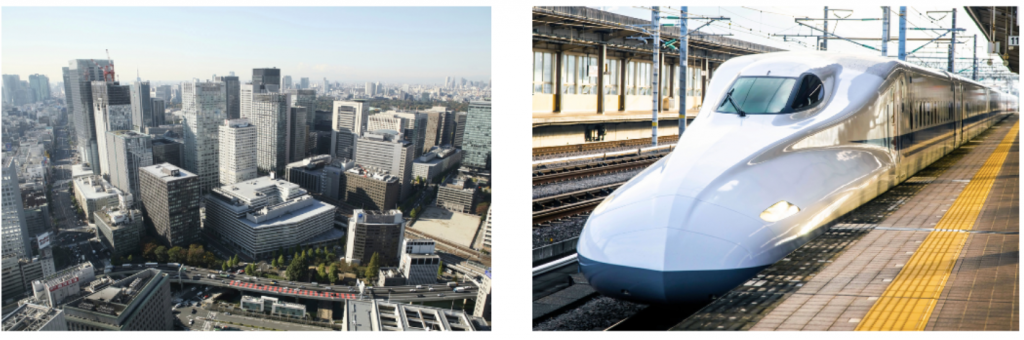
Japan’s rail system is famous for its punctuality and efficiency. The shinkansen (bullet trains) are some of the fastest in the world, reaching speeds of up to 200 mph (320 km/h).
23. Convenience Stores, Not Just for Snacks:
Japanese convenience stores, known as “konbini,” offer a wide range of products, including hot meals, clothing, and even concert tickets.
24. Slippers Indoors:
In many homes, traditional ryokans, hotels and some restaurants, you’re expected to remove your shoes and wear slippers indoors.
25. Unique Toilets:
Japanese toilets can be high-tech with features like heated seats, bidets, and even music to mask sounds.
26. The Art of Kaiseki:
Kaiseki is a multi-course meal, often served in traditional Japanese ryokans, that showcases seasonal and regional ingredients.
27. No Public Trash Bins:
Public trash bins are rare in Japan. People are expected to take their trash home and separate it into categories for recycling. So always carry a plastic bag with you.
28. 3 Writing Scripts:
Japanese uses three writing scripts: kanji (Chinese characters), hiragana, and katakana, making it one of the most complex writing systems in the world.
29. Dog Fashion:
Japan loves dressing up dogs. You’ll find pets in all sorts of fashionable outfits.
30. Lucky Numbers:
The number 4 is considered unlucky because it sounds like “shi,” which means death in Japanese. Conversely, 7 and 8 are considered lucky numbers.
31. Limited Personal Space:
Japan’s population density is high, so personal space can be limited, especially in crowded cities like Tokyo.
32. Land of the Rising Sun:
The name “Japan” (Nippon or Nihon) means “origin of the sun,” which is why Japan is often referred to as the “Land of the Rising Sun.”
33. Top-notch Punctuality:
Trains in Japan are so punctual that delays of even a few minutes are rare. It’s customary to apologize if you’re even a minute late.
Latest Blog Posts
Stay informed and inspired with our latest blog posts. Discover insights, tips, and trends across various topics.
-
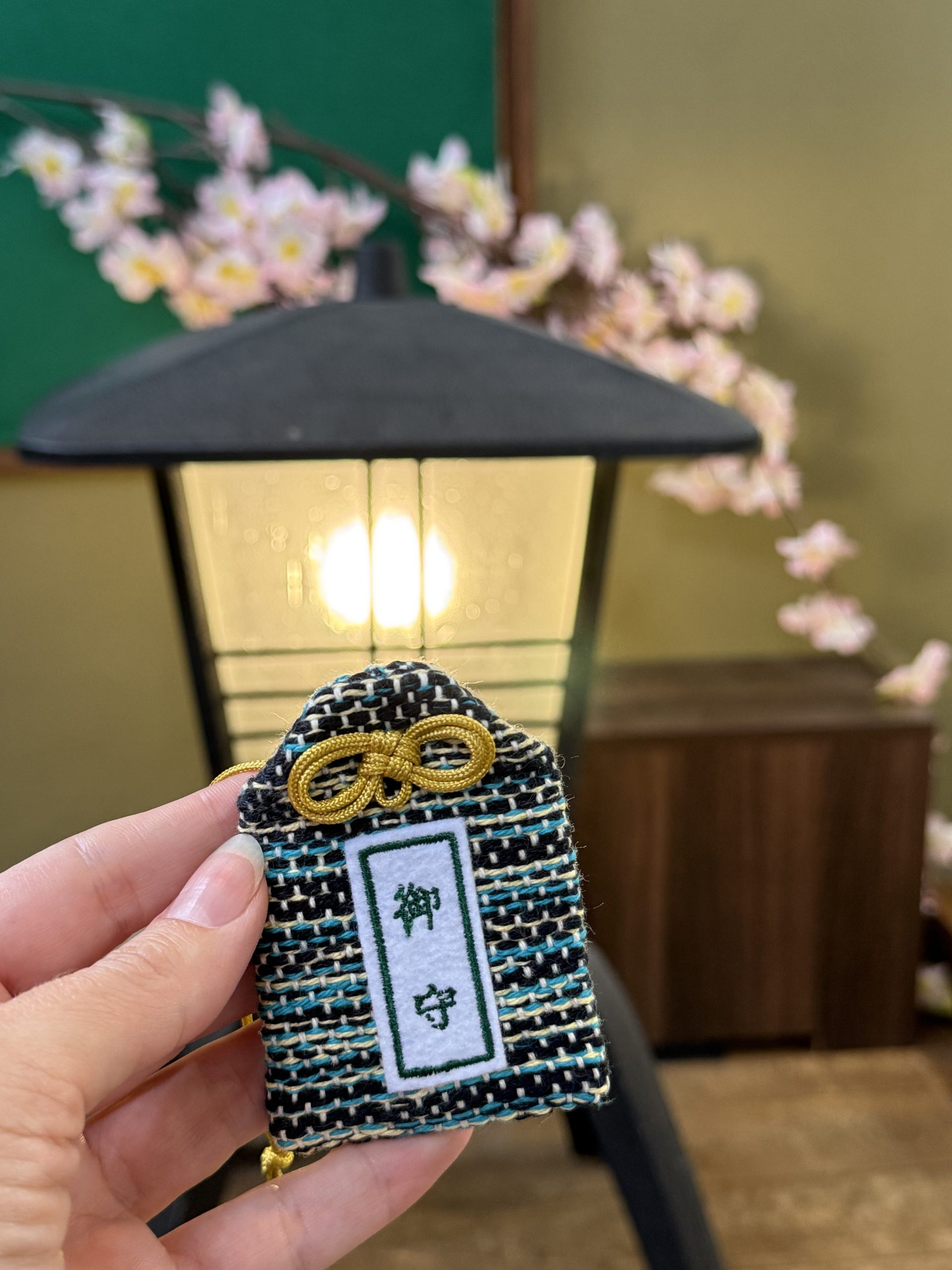
Create Your Own Omamori (Lucky Charm)
Create Your Own Omamori at Orinami Asakusa: A Meaningful Cultural Experience in the Heart of…
-

Tokyo Premiere of “Forging Bonds: The Samurai Armour Restoration”
Tokyo, Japan, 14th April 2026 — Cultural heritage and international diplomacy were celebrated at the…
-
33 Fun and Fascinating Facts about Japan (2026 Guide)
When visiting Japan, it’s essential to be aware of and respectful of local customs, cultural…
